T111 Siding: Comparing Traditional Wood Panels with Modern Exterior Solutions

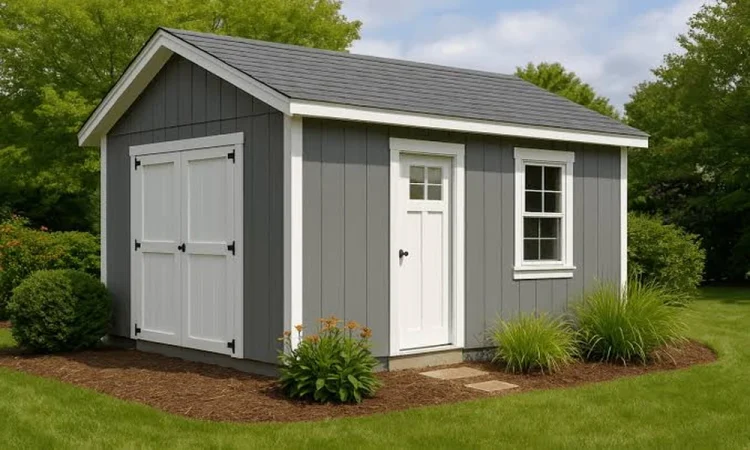
Choosing the right exterior siding is one of the most important decisions a homeowner can make during a remodel. A home’s siding affects curb appeal, weather protection, maintenance requirements, and long-term value. If you’re researching t111 siding, it’s helpful to understand how this classic panel system compares with today’s most common alternatives before starting your project.
Overview
T111 siding has been used on residential homes, garages, cabins, and outbuildings for decades. Its recognizable vertical grooves create a traditional appearance while allowing large panels to cover exterior walls efficiently.
Today, homeowners often compare traditional wood panel siding with newer engineered products that promise lower maintenance or increased durability. The best choice depends on your budget, climate, maintenance expectations, and architectural style.
| Feature | Traditional T111 | Modern Alternatives |
| Appearance | Natural wood look | Wide variety of finishes |
| Maintenance | Moderate to high | Low to moderate |
| Custom Paint Colors | Excellent | Varies by product |
| Installation Speed | Fast | Depends on material |
Option A: Traditional Wood Panel Siding
Traditional T1-11 wood siding remains popular because of its authentic appearance and versatility. It complements many architectural styles, particularly ranch homes, cabins, and farmhouse-inspired designs.
Pros
- Attractive natural wood appearance
- Easy to paint or stain
- Large panels speed installation
- Suitable for many traditional home designs
Cons
- Requires regular maintenance
- Can be affected by moisture if not properly protected
- Periodic repainting or resealing is necessary
- Damaged sections may require panel replacement
Homeowners who enjoy maintaining natural wood finishes often appreciate the character this material develops over time.
Option B: Modern Exterior Siding Materials
Many remodeling projects now use engineered wood, fiber cement, composite materials, or vinyl siding. These products are designed to reduce maintenance while providing long-term weather resistance.
Modern materials can imitate the appearance of wood while offering additional protection against moisture, insects, and temperature changes.
Pros
- Lower maintenance requirements
- Improved resistance to weather exposure
- Long-lasting finishes
- Wide selection of colors and textures
Cons
- Some products have a higher initial cost
- Repairs may require matching factory finishes
- Certain materials require specialized installation
For homeowners seeking minimal upkeep, these alternatives can provide an attractive balance between appearance and durability.
Side-by-Side Comparison
| Category | Traditional Wood Panels | Modern Engineered Materials |
| Natural Appearance | Excellent | Very Good |
| Moisture Resistance | Good with maintenance | Excellent |
| Routine Maintenance | Higher | Lower |
| Design Flexibility | Excellent | Excellent |
| Long-Term Upkeep | Moderate | Lower |
Pros & Cons Summary
Traditional Wood Panels
Pros
- Authentic wood character
- Easy to customize with paint or stain
- Timeless appearance
Cons
- Requires consistent maintenance
- Sensitive to prolonged moisture exposure
Modern Materials
Pros
- Reduced maintenance
- Strong weather performance
- Long service life
Cons
- Some products cost more initially
- Appearance varies by manufacturer
Final Recommendation
🏆 Winner Highlight
There is no universal winner. The best siding depends on your home’s design, local climate, maintenance preferences, and renovation goals.
If you appreciate the warmth and character of genuine wood and don’t mind periodic maintenance, traditional T111 siding remains an appealing option. If reducing maintenance is your highest priority, modern engineered materials may offer better long-term convenience.
Many homeowners planning broader california remodels also coordinate siding replacement with upgrades such as energy-efficient windows, improved insulation, exterior trim replacement, and fresh paint. Planning related improvements together can create a more cohesive exterior while reducing disruption during construction.
Ultimately, a successful siding project is about more than choosing a material. Proper installation, effective moisture management, quality flashing, and regular inspections all contribute to an exterior that protects your home while maintaining its appearance for years to come. Careful planning today can help ensure your investment continues to perform well through changing seasons and evolving homeowner needs.