
Rain Chains vs Traditional Downspouts: 5 Things to Consider in Fishers

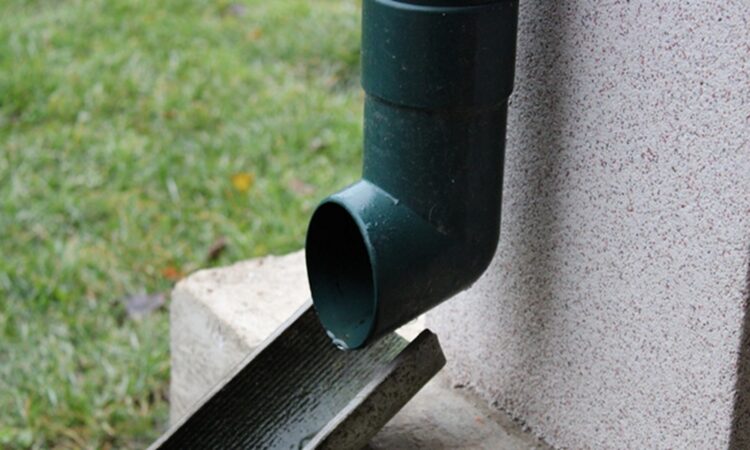
Fishers, Indiana, is a city that prides itself on its beautiful residential architecture and meticulously maintained landscapes. Whether you are living in a classic suburban home near Fishers District or a modern custom build overlooking Geist Reservoir, your home’s exterior serves as its first line of defense against the unpredictable Indiana weather.
When it comes to managing rainwater, homeowners are increasingly looking beyond basic utility to find solutions that offer both performance and style. This has led to a growing debate: should you stick with the reliable traditional downspout, or embrace the artistic flair of a rain chain? While rain chains are visually stunning, the “Hoosier” climate presents unique challenges that every homeowner should weigh.
Before you make a decision, here are five things to consider when choosing between rain chains and traditional downspouts for your Fishers home.
1. Water Volume and Heavy Thunderstorms
Indiana is famous for its sudden, intense summer thunderstorms. During a heavy downpour, your roof can collect hundreds of gallons of water in a matter of minutes. Traditional downspouts are enclosed pipes specifically engineered to handle high-velocity water flow. They create a vacuum-like suction that pulls water away from the gutters quickly.
Rain chains, while functional, rely on surface tension to guide water down links or cups. In a light spring shower, they are mesmerizing. However, in a heavy Fishers deluge, the water can often “overshoot” the chain, leading to significant splashing. If a rain chain is located near a window or an area with delicate siding, this excess splashing can lead to moisture intrusion or staining over time.
2. The Indiana Freeze-Thaw Cycle
Perhaps the biggest challenge for any drainage system in Hamilton County is the winter. Fishers frequently experiences freeze-thaw cycles where snow melts during the day and refreezes at night.
Traditional downspouts can sometimes trap water inside, which then freezes and expands, potentially splitting the metal seams. Rain chains, being open to the air, allow ice to expand outwardly. While a rain chain covered in ice can look like a beautiful frozen sculpture, it also becomes incredibly heavy. If the chain is not anchored properly or if the gutter isn’t reinforced, the weight of the ice can actually pull the gutter away from your home’s fascia board.
3. Foundation Protection and Drainage
The primary goal of any gutter system is to protect your foundation. Because Fishers has clay-heavy soil, water that pools near the base of your home doesn’t drain quickly; instead, it puts pressure on your basement walls.
Traditional downspouts are easily connected to underground tiles or long extensions that carry water 10 feet or more away from the house. Rain chains usually deposit water directly beneath the gutter into a decorative basin or a rock pit. Unless that basin is connected to an underground drain, you are essentially dumping all that roof water right next to your foundation-a risky move for Indiana basements.
4. Maintenance and Debris
Fishers is a “Tree City,” and many neighborhoods are blessed with mature Oaks and Maples. This means leaves, helicopters, and tassels are a constant threat to your gutters.
Traditional downspouts are prone to internal clogs, which can be difficult to clear without specialized tools. Rain chains are virtually impossible to clog because they are open. Any debris that makes it out of the gutter simply falls off the chain. However, because the water is exposed, rain chains can splash silt and roof granules onto your siding, which may require more frequent power washing of your home’s exterior.
5. Architectural Style and Curb Appeal
Finally, there is the matter of aesthetics. Traditional aluminum downspouts are designed to blend in; they are typically color-matched to your trim to be as invisible as possible. They work well with almost any home style but offer little in the way of “wow factor.”
Rain chains, particularly those made of copper, are architectural statements. They add a tranquil, Zen-like sound to your outdoor space and can significantly boost curb appeal. For many homeowners in Fishers’ luxury developments, the visual upgrade is worth the extra attention to drainage planning.
For most Indiana homes, the best solution is often a hybrid approach. You might choose to install a beautiful copper rain chain near a front porch or a garden window where it can be enjoyed as a water feature, while keeping high-capacity traditional downspouts on the back and sides of the house to handle the heavy lifting.
Regardless of which style you prefer, proper installation is the key to preventing water damage. If your current system is failing to keep your basement dry, it may be time to consult a professional about a Fishers downspout installation. By tailoring your drainage system to the specific needs of your property and the local climate, you can ensure your home stays protected through every Indiana season.