
Safe Remodeling How to Handle Suspected Asbestos in Vintage Flooring Tiles and Mastic

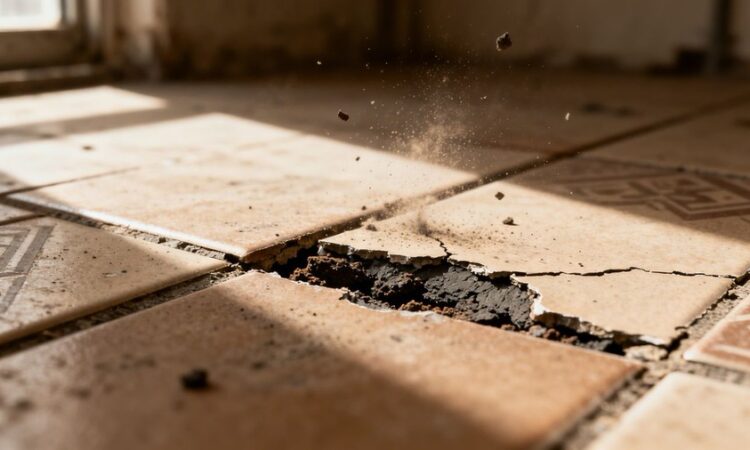
When you’re working with older homes, especially those built before the mid-1980s, it’s wise to be aware that certain building materials might contain asbestos. This is particularly true for flooring. Without professional testing, you can’t be 100% certain, but there are several clues that can help you identify potential asbestos-containing flooring.
Understanding Home Construction Age
The age of your home is a significant indicator. Asbestos was widely used in building materials from the 1920s through the mid-1980s because it was inexpensive and added durability and fire resistance. If your home was constructed or had its flooring installed during this period, there’s a higher chance the tiles or the adhesive holding them down could contain asbestos. Even if the house itself is newer, older stock materials might have been used during renovations or additions. Checking old renovation receipts or inspection reports can sometimes provide installation dates for flooring.
Examining Tile Size and Deterioration
Vintage flooring tiles often come in specific sizes, with 9×9 inch and 12×12 inch squares being common for asbestos-containing products. Modern vinyl tiles are typically thinner, so if your tiles seem unusually thick, it could be another sign. Look closely at the condition of the tiles. Asphalt-based tiles, which frequently contained asbestos, can sometimes appear oily or discolored as the binding agents degrade. If tiles are brittle, break easily, or show signs of crumbling into a powder, this deterioration can indicate that asbestos fibers may be present and could become airborne.
Recognizing Manufacturers of Vintage Flooring
Certain manufacturers were known for using asbestos in their flooring products during the peak years of its use. While you shouldn’t rely solely on this, knowing some of the common names can be helpful. Companies like Armstrong, Congoleum, Kentile, and Flintkote were among those that produced flooring containing asbestos. Sometimes, you might be able to find manufacturer information by carefully examining the back of a loose tile or a damaged section, though this should be done with extreme caution to avoid disturbing the material.
The Role of Mastic in Asbestos Concerns
When dealing with older homes, especially those built before the 1980s, you’ll often encounter a sticky, dark adhesive known as mastic. This substance was widely used to secure various types of flooring, including vinyl tiles, linoleum, and even carpet. While it served its purpose well, its historical composition raises significant concerns regarding asbestos.
What Is Black Mastic?
Black mastic is a type of adhesive characterized by its dark color, often black or deep brown, and its thick, tar-like consistency. It’s typically asphalt-based, sometimes mixed with other materials like styrene-butadiene rubber. This composition made it a very effective and durable adhesive for flooring applications for many decades. You’ll usually find it on the subfloor after older flooring materials have been removed.
Historical Use and Asbestos Content
During the mid-20th century, black mastic was a go-to choice for builders due to its strong bonding capabilities and longevity. However, during this period, asbestos was commonly added to building materials. Asbestos fibers were incorporated into mastic formulations to enhance their resistance to heat and fire, and to improve their durability. Unfortunately, this practice means that many older batches of black mastic are likely to contain asbestos. It’s impossible to tell if mastic contains asbestos just by looking at it; testing is the only way to know for sure.
Identifying Mastic Characteristics
Identifying mastic itself is usually straightforward. Look for:
- Color: Typically black or a very dark brown.
- Texture: Sticky, gummy, and tar-like, even when dry.
- Location: Found adhered to the subfloor (concrete, wood, etc.) after flooring has been removed.
If you discover mastic during a renovation, especially in a home of a certain age, it’s wise to assume it could contain asbestos until proven otherwise. Disturbing asbestos-containing mastic can release harmful fibers into the air, posing serious health risks. Therefore, caution and professional assessment are paramount.
Professional Asbestos Testing and Analysis
When dealing with older homes, especially those built before the mid-1980s, the possibility of asbestos in flooring materials and their accompanying mastic is a significant concern. Simply guessing or assuming the material is safe is not a responsible approach. The only way to definitively know if your flooring contains asbestos is through professional testing. This process involves collecting samples and having them analyzed by accredited laboratories. These labs use specialized equipment and trained personnel to identify the presence and concentration of asbestos fibers, providing you with accurate information to guide your remodeling decisions.
Importance of Accredited Laboratory Testing
Choosing an accredited laboratory for asbestos testing is not just a recommendation; it’s a critical step for safety and compliance. These facilities adhere to strict quality control standards and are often regulated by government agencies. They employ methods like Polarized Light Microscopy (PLM) or Transmission Electron Microscopy (TEM) to analyze samples. These techniques are highly sensitive and can detect even small amounts of asbestos fibers that are invisible to the naked eye. The results from an accredited lab provide a detailed report, including the percentage of asbestos found, which is vital for determining the appropriate course of action, whether it’s encapsulation or removal. This documentation is also important for legal and insurance purposes should any issues arise later.
Sample Collection Procedures
Proper sample collection is the first step in accurate asbestos testing. While some homeowners might consider taking samples themselves, it’s generally advised to have this done by a certified asbestos inspector or a technician from the testing laboratory. This is because improper sampling can release asbestos fibers into the air, creating a health hazard. If you are involved in the collection, follow these general guidelines:
- Minimize disturbance: Avoid breaking, cutting, or disturbing the material more than necessary.
- Use appropriate tools: Employ tools like a wet wipe or a spray bottle with water to dampen the material before taking a sample. This helps to keep fibers from becoming airborne.
- Collect a sufficient sample: Gather a piece of the material that is representative of the entire area, typically about the size of a quarter or a small piece of tile and mastic if present.
- Seal the sample: Place the collected sample in a clean, sealable plastic bag or container. Label it clearly with the date, location, and type of material.
- Clean the area: Wipe down the surrounding area with a damp cloth to pick up any stray fibers.
Interpreting Test Results
Once samples are sent to the lab, you will receive a report detailing the findings. Understanding this report is key to making informed decisions about your remodel. The report will typically state whether asbestos was detected and, if so, at what concentration. For flooring materials, a concentration of 1% or higher is generally considered asbestos-containing. The report might also identify the type of asbestos found, though this is less critical for homeowners than knowing its presence and amount. If asbestos is present, the results will guide whether you can proceed with certain types of remodeling (like covering the tiles) or if professional abatement is required. It’s often beneficial to discuss the results with the testing professional or an asbestos abatement specialist to fully grasp the implications for your specific project.
Safe Asbestos Handling and Remodel Procedures
When dealing with suspected asbestos in vintage flooring, safety and proper procedure are paramount. Disturbing asbestos-containing materials (ACM) without the correct precautions can release harmful fibers into the air, posing significant health risks. Therefore, understanding the options for managing these materials during remodeling is vital.
When to Consider Encapsulation
Encapsulation is a method where asbestos-containing materials are sealed or covered to prevent fiber release. This is often considered when the flooring is in good condition and there are no plans to disturb it further.
- Sealant Application: A specialized sealant is applied over the existing tiles and mastic. This binds the fibers together, making them less likely to become airborne.
- Overlaying New Flooring: Once sealed, new flooring, such as laminate, vinyl, or carpet, can be installed directly over the encapsulated asbestos material.
- Cost-Effectiveness: Encapsulation can be a more affordable and less disruptive option compared to full removal, especially for homeowners on a budget.
However, it’s important to note that encapsulation is not a permanent solution. The asbestos material remains in place and could potentially be disturbed by future renovations or damage.
Professional Asbestos Floor Tile Removal
For a definitive solution, professional asbestos floor tile removal is the recommended approach. This process involves the complete and safe removal of the asbestos-containing tiles and mastic by trained and licensed abatement professionals.
- Containment: Professionals set up containment barriers to prevent the spread of asbestos fibers to other parts of the home.
- Removal Process: Using specialized tools and techniques, the tiles and mastic are carefully removed to minimize fiber release.
- Decontamination: After removal, the area is thoroughly cleaned and decontaminated.
While more costly and time-consuming than encapsulation, professional removal offers the highest level of long-term safety by eliminating the asbestos hazard from the property.
Proper Disposal of Asbestos Materials
Disposing of asbestos materials requires strict adherence to regulations. It is illegal to mix asbestos waste with regular household trash.
- Hazardous Waste Facilities: Asbestos-containing materials must be transported to a designated hazardous waste landfill or a facility licensed to accept asbestos.
- Specialized Packaging: Materials are typically double-bagged in heavy-duty, labeled plastic bags to prevent fiber release during transport.
- Documentation: Proper documentation, including manifests, is often required to track the disposal process and confirm compliance with regulations.
Risks and Legalities of Asbestos Exposure
Health Implications of Inhaling Asbestos Fibers
Inhaling asbestos fibers, even in small amounts, can lead to serious and long-term health problems. When disturbed, asbestos-containing materials like vintage flooring tiles and their mastic can release microscopic fibers into the air. These fibers, once inhaled, can become lodged deep within the lungs. Over time, this can cause chronic inflammation and scarring, leading to conditions such as asbestosis, a debilitating lung disease that impairs breathing. More concerning is the link between asbestos exposure and various cancers, including lung cancer, mesothelioma (a rare cancer of the lining of the chest and abdomen), and potentially cancers of the larynx and ovaries. The insidious nature of these diseases is compounded by their long latency period, often taking decades to manifest after initial exposure. The risk is not limited to direct contact; secondary exposure can occur when fibers are carried home on clothing or skin.
Occupational Exposure During Remodeling
Homeowners undertaking DIY renovations, as well as professional contractors, face significant risks when working with suspected asbestos-containing materials. Activities like cutting, sanding, scraping, or demolition can aggressively disturb these materials, releasing hazardous fibers into the environment. This is particularly true for older homes where asbestos was commonly used in flooring and adhesives. Without proper protective equipment and containment procedures, individuals involved in remodeling can inhale these fibers. Custodians, maintenance workers, and those involved in the manufacturing or installation of flooring products historically faced the highest occupational exposure risks. Even seemingly minor disturbances can create an airborne hazard that affects not only the workers but also anyone present in the vicinity. It is vital to understand that asbestos floor tiles are generally safe when intact, but disturbance is where the danger lies.
Legal Ramifications of Non-Compliance
Failing to adhere to regulations concerning asbestos handling and abatement carries substantial legal and financial consequences. Regulatory bodies at federal, state, and local levels have specific guidelines for identifying, managing, and removing asbestos-containing materials. Non-compliance can result in significant fines, stop-work orders that halt renovation projects indefinitely, and potential lawsuits from individuals who develop asbestos-related illnesses due to improper handling. Furthermore, properties with known asbestos contamination may face challenges with resale, insurance, and overall market value if proper abatement documentation is not available. Companies that manufactured or supplied asbestos products have established trust funds to compensate victims, highlighting the serious legal accountability associated with these materials.