

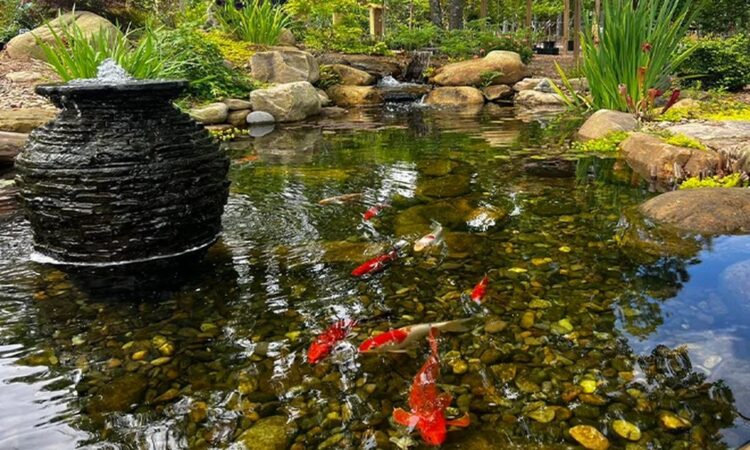
A reliable pond filtration system is essential for keeping pond water clean and maintaining balanced water quality and for this most turn to https://evolutionaquausa.com. In natural environments, ponds benefit from a continuous flow of fresh water, which helps regulate oxygen levels and prevent excessive algae growth. However, smaller or man-made ponds do not have this natural advantage and require extra support to remain clear and healthy. Understanding how filtration works and the different types available is key to maintaining a thriving pond ecosystem.
Open vs. Closed Ecosystems in Pond Environments
Ponds function as open ecosystems, meaning they are constantly exposed to external elements. Leaves, grass clippings, and debris can easily enter the water, while runoff may introduce fertilizers and other contaminants. Wind can also carry particles that accumulate over time, contributing to organic waste buildup. This ongoing exposure can disrupt the natural balance of the pond and reduce water clarity.
In contrast, a closed ecosystem operates with minimal outside influence, such as a sealed aquarium or terrarium. These systems are more controlled and can sustain themselves with limited external input. Since ponds are open by nature, they require proper filtration to manage the constant influx of debris and maintain a stable environment.
Types of Pond Filtration Systems
There are three primary types of pond filtration systems that work together to improve water quality. These include mechanical filtration, biological filtration, and ultraviolet clarification. Many filtration setups combine these methods to achieve better results, and some systems also incorporate aeration to further enhance water clarity and oxygen levels.
A pond pump is the driving force behind any filtration system. It moves water through the filters, allowing each stage of filtration to perform effectively. Selecting the correct pump size is crucial, as a pump that is too weak will not circulate enough water, while an overly powerful pump may cause excessive agitation.
Mechanical Filtration
Mechanical filtration focuses on removing solid particles from the water. In this process, the pond pump pushes water through a filter containing pads or similar materials designed to trap debris. These filters capture fish waste, uneaten food, algae, and other suspended particles that contribute to murky water.
Filter pads require regular cleaning to maintain efficiency. They can be removed and rinsed with clean water to eliminate trapped debris. Over time, these pads should be replaced to ensure consistent performance. While mechanical filtration is effective for small particles, it is not intended to handle larger debris such as leaves. These materials should be removed manually to prevent clogging and maintain proper water flow.
Biological Pond Filtration
Biological filtration plays a crucial role in maintaining a balanced pond ecosystem by using beneficial bacteria to break down organic waste. These bacteria support the pond’s natural nitrogen cycle, which helps convert harmful substances into less toxic forms.
Two types of bacteria naturally exist in pond environments. Aerobic bacteria are considered beneficial because they efficiently break down organic matter into harmless gases that can dissipate into the air or be absorbed by aquatic plants. Anaerobic bacteria, on the other hand, work more slowly and can produce ammonia, which is harmful to fish and other aquatic life.
Biological filters encourage the growth of beneficial bacteria by providing a surface for them to colonize. As water flows through the filter, these bacteria process small particles and dissolved waste, improving overall water quality. Enhancing the population of beneficial bacteria can further support this process and help maintain a cleaner pond.
UV Clarification for Ponds
Ultraviolet clarification is an advanced method used to control algae at the microscopic level. As water passes through a UV clarifier, it is exposed to ultraviolet light that disrupts the DNA of single-celled algae. This process prevents algae from reproducing and spreading throughout the pond.
Once exposed to UV light, algae cells lose their ability to survive and often clump together, making them easier to remove. This method is particularly effective in preventing green water and maintaining clarity. UV clarifiers are frequently integrated into filtration systems, allowing them to work alongside mechanical and biological filtration for more comprehensive water treatment.
The Importance of Proper Pond Filtration
Filtration systems are essential for removing particles that are too small to be manually extracted from the pond. By continuously circulating water through different filtration stages, these systems trap debris, break down organic waste, and control harmful microorganisms.
A well-functioning filtration system helps maintain clear water, supports the pond’s natural processes, and creates a healthier environment for fish and plants. When combined with proper aeration, filtration also ensures that oxygen levels remain sufficient, promoting a balanced and sustainable aquatic ecosystem.