

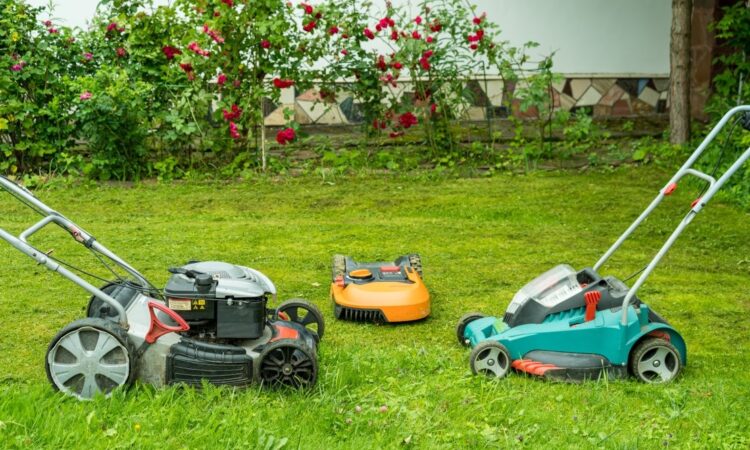
Choosing a lawn mower isn’t just about specs—it’s about finding a tool that works with you, not against you. Whether your lawn is a small patch or a wide sweep of turf, the right mower makes all the difference.
This guide covers key considerations like size, terrain, and motor type, helping you pick one that suits your garden and lifestyle.
Why the Right Mower Really Does Matter
A well-selected lawn mower saves time, effort, and hassle in addition to cutting grass. Get it right and mowing becomes a manageable task rather than a relentless chore. Get it wrong and, well, it’s like running a marathon in wellies.
Using a dainty little push mower on a large, undulating lawn will wear out more than just the machine. It will take a fair chunk out of your patience as well.
On the other hand, deploying a hulking ride-on over a few square metres is a bit like using a sledgehammer to open the post. Matching your mower to the size and shape of your garden ensures your equipment works with the land, not against it.
And when you consider how some models prioritise mulching while others focus on precision lines or sheer speed, the importance of that match becomes all the clearer.
The Main Types of Lawn Mower
Picking a mower is rather like choosing a car. There’s something for every budget, every preference and every sort of garden.
For small, flat gardens, you really can’t go wrong with a manual push mower. They’re light, affordable, and pleasantly quiet, not to mention they give your arms a decent bit of exercise.
That said, if you’re in a hurry or the thought of breaking a sweat makes you wilt, they might not be quite your thing.
Self-propelled mowers strike a good balance for mid-sized gardens. These handy machines take care of the forward motion, leaving you to simply steer.
They cope admirably with gentle slopes and larger spaces, though the price tag is a tad steeper than their manual cousins.
Then there are riding mowers. These are built for big gardens, tricky inclines or those who would rather not pace up and down for an hour. They cover ground quickly, often with bells and whistles like cruise control or cup holders.
Of course, they need storage space and regular maintenance, but if you’ve got the room and the budget, they’re a game-changer.
In short, let your garden’s personality guide you. Its size, shape, and challenges will tell you what kind of mower will make the cut.
Mower Size: Finding the Right Fit
Size really does matter when it comes to lawn mowers. A model that’s too small for your garden turns a quick trim into a never-ending task. Too large, and you’ll end up wrestling the thing through narrow gaps or around trees.
Here’s a rough guide to help you size things up:
- Small gardens (under ¼ acre): Go for a cutting width between 35 and 40 cm. Easy to handle and simple to store.
- Medium gardens (¼ to ½ acre): Opt for 40 to 53 cm. It offers a good balance between coverage and control.
- Large gardens (over ½ acre): Look for 53 cm or more. The wider the blade, the fewer the passes you’ll need.
Do measure your garden properly before you buy, and factor in any tight spots or raised beds that could complicate things.
Considering Power Sources
Mowers don’t just differ in looks. They’re powered in quite different ways, too, each with its own quirks.
Electric mowers, whether corded or battery-operated, are quiet, clean and rather good for the environment. They’re ideal for modest gardens, and newer battery models boast enough juice for most standard jobs.
Just be aware that cords can be cumbersome, and battery run-time may limit you if your lawn is particularly large.
Petrol mowers offer power in spades and are well-suited to more rugged or expansive gardens. They’ve got the stamina to cope with uneven terrain, and they will plough through thicker patches of grass without fuss.
The downside? They’re noisier, smellier and demand a bit more upkeep. Consider oil changes, spark plugs, and regular refuelling.
Then there’s the manual reel mower. It’s low-tech, refreshingly simple and wonderfully low maintenance. Perfect for small, flat spaces and those who don’t mind a bit of a workout. But try one on a sloped or lumpy lawn, and you’ll quickly realise its limits.
So, when choosing a power source, weigh up your lawn’s size and complexity, as well as your tolerance for noise and elbow grease.
Features That Make Life Easier
Today’s mowers can do more than just snip grass. Some of them are clever enough to almost think for themselves.
A height-adjustable blade is practically a must. It allows you to adjust your cutting height based on the season, weather, or just your aesthetic mood. Trimming things short in spring? Raising it a little in summer? Easy.
Mulching functions are another treat. Instead of collecting clippings, these mowers finely chop them and scatter them back across the lawn as a natural fertiliser. It’s good for the grass and saves a trip to the compost heap.
Do you prefer a tidy finish? Grass collection bags help keep paths and patios spotless by capturing the cuttings as you go. There’s no need for a post-mow sweep-up.
And if you want to save yourself a real chore, some higher-end models offer automatic start systems, folding handles or even smartphone connectivity, though admittedly, most people can manage without linking their mower to an app.
The key here is to think about which features would make mowing feel less like a job and more like a pleasure, or at the very least, less of a faff.
The Long-Term Value of a Quality Mower
It’s tempting to pick the cheapest mower on the shelf. After all, how complicated can grass-cutting be? However, cheaper models often compromise on quality, both in terms of performance and durability.
Investing in a sturdier, better-built machine usually pays off. These models tend to last longer, require fewer repairs and deliver a consistently neat finish.
Over time, you’ll spend less on maintenance and spare parts, and you’ll avoid the frustration of breakdowns midway through a job.
High-quality mowers are also designed with user comfort in mind, which means fewer vibrations, smoother operation and less strain on the wrists and shoulders.
Yes, they cost more up front. But if you value reliability, a decent warranty and a mower that doesn’t give up the ghost every other season, they’re more than worth it.
Spotting a Good Deal
Finding a reliable mower at a reasonable price isn’t some elusive dream. With a bit of planning and patience, you can snap up something brilliant without parting with a small fortune.
Keep an eye on seasonal promotions. Retailers often reduce prices just before spring kicks off or during autumn clear-outs. These windows can be golden opportunities to pick up a higher-end model at a more palatable price.
Compare offers across multiple outlets and don’t forget to check online reviews. A model that looks good on paper might have a string of complaints about battery life or dodgy wheels.
Moreover, do look closely at warranty details and return policies. A mower that works well in the shop might not suit your garden once you get it home, and it’s helpful to have options if things don’t quite line up.
When to Call in the Professionals
Even the best mower will not keep weeds at bay on its own. That’s where grass weeding services come into play. Many homeowners in the UK now pair their mowing routine with expert support to maintain a truly healthy lawn.
Lawn care specialists can identify and tackle invasive species before they take hold, using targeted treatments and commercial-grade equipment that often outperform DIY methods. It’s a reliable way to keep your garden looking pristine all year round.
When selecting a service, consider their expertise, tools, and availability. The best ones offer seasonal packages that work alongside your mowing schedule, making it a seamless part of your garden care.
Conclusion
Well done for making it this far—clearly, you care about getting it right. Choosing the perfect mower might not be glamorous, but it’s a decision that’ll pay off every weekend.
So take what you’ve learnt, size up your lawn, and pick the one that’ll make the job feel less like work. Your grass—and your spine—will thank you.