
Green building used to be treated as a specialist topic. Today it is increasingly part of ordinary homebuying because energy use, heat, water efficiency and indoor comfort affect both household costs and the way a development ages over time.
In Singapore, buyers are also becoming more familiar with environmental standards such as BCA Green Mark. The label is useful, but the better question is what the building’s design choices mean in practice: cooler common areas, efficient systems, better water management and sensible long-term maintenance.
Look beyond the badge
A sustainability rating can help buyers identify developments designed to meet recognised standards, but a logo should not end the research. Ask what features produced the rating and whether they reduce resource use in ways residents are likely to notice.
For buyers tracking Dorset Gardens, future official project documents will be the right place to confirm any green certifications or performance features. It is better to wait for verified specifications than to assume that every modern private condominium carries the same environmental credentials.
Passive design can matter every day
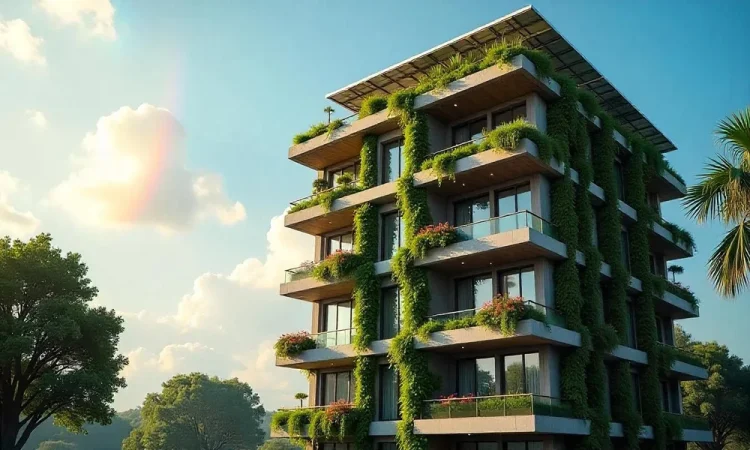
Orientation, shading, ventilation and landscaping can influence comfort before any smart system is switched on. Buildings that reduce direct heat gain or encourage airflow may rely less heavily on mechanical cooling in common areas and can create more pleasant outdoor spaces.
These ideas are not dramatic, but they are durable. A well-shaded walkway or naturally ventilated corridor can keep working for decades with relatively little complexity. Good environmental design often feels less like technology and more like a building that responds sensibly to its climate.
Efficient systems still need maintenance
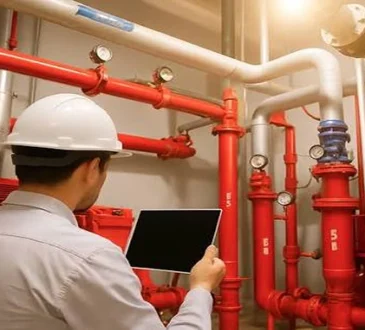
Energy-saving lifts, pumps, lighting and cooling systems can reduce consumption, but sophisticated equipment also needs competent upkeep. Buyers should remember that sustainability and maintenance planning are connected. A system only delivers its intended benefit when it continues to operate properly.
This is where management quality matters after completion. Strata budgets need to cover servicing, replacement cycles and repairs. A feature that saves energy but is expensive to maintain should be assessed as part of the whole building rather than judged only by its launch-day specification.
Family developments can benefit from practical green features
Households considering Clovelle of Woodlands may care less about technical language than about everyday outcomes: shaded play areas, comfortable walking routes, efficient lighting and landscaping that does not demand excessive water. These are sustainability features people can experience without thinking about them as engineering.
An EC also serves many owner-occupiers who may stay for years, so durability matters. Materials that cope well with weather, common spaces that remain usable in heat and systems designed for efficient operation can influence satisfaction long after the initial purchase decision.
Water deserves as much attention as electricity
Residential sustainability is not only about solar panels or efficient lighting. Water-efficient fittings, irrigation design, drainage and thoughtful planting can also reduce resource use and help common areas perform better during heavy rain or dry spells.
Buyers can ask how landscaping is maintained and whether water-saving fixtures are specified in units and shared spaces. These details may appear minor, but across hundreds of homes they can influence both environmental performance and operating costs.
Green value is strongest when it aligns with comfort
Most residents will not choose a home solely because it uses less energy. They will notice, however, if the home feels cooler, the common areas are pleasant, utility use is sensible, and the development remains attractive without excessive maintenance.
That is why the best sustainability features are usually integrated rather than decorative. They support ordinary life and can remain relevant even as technology changes. Buyers should favour practical performance over gadgets that may become obsolete before the building reaches middle age.
Conclusion
Green building standards are becoming part of mainstream housing because they connect environmental goals with operating cost and comfort. The useful buyer response is not to chase the highest-sounding label, but to understand what the design actually does.
Check verified certifications, ask about the systems behind them and consider maintenance as carefully as efficiency. A well-designed home should use resources sensibly without making residents think about sustainability every day. When that happens, green design becomes part of good housing rather than an optional extra.