

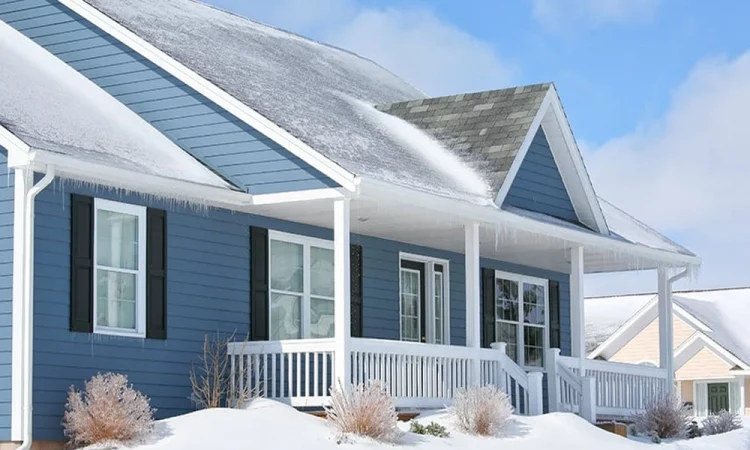
Winter in Chicago brings heavy snow, ice dams, and repeated freeze-thaw cycles that expose weak roofs fast. A leak that appears in November rarely waits politely until April, and many homeowners end up asking whether a roof can be replaced while temperatures hover near freezing.
The short answer is yes. Roof replacement happens throughout the winter across the Chicago area, but it follows different rules than a July project. Material handling, crew scheduling, and sealing methods all change once the thermometer drops, and understanding those differences helps you decide whether to move now or wait for spring.
Why Winter Roof Replacement Is Possible
Asphalt shingles, the most common roofing material on Chicago-area homes, can be installed in cold weather when the crew follows the manufacturer’s cold-weather procedures. Major shingle makers call for extra precautions once air temperatures fall to about 40°F rather than banning installation outright.
Those precautions exist because shingles behave differently in the cold. They lose flexibility, crack more easily when cut or nailed, and their factory sealant strips need warmth and sunlight to activate. A crew that plans around these facts can still deliver a roof that performs well for decades.
How Cold Weather Changes the Installation Process
The first change happens before anyone climbs a ladder. Experienced crews store shingle bundles in a heated space before installation and bring them out in small batches so the material stays pliable. Throwing or dropping cold bundles is avoided because brittle shingles can crack on impact.
Sealing is the second major difference. In summer, the sun heats the adhesive strip on each shingle and bonds it to the course below within days. In winter, that bond may not form until spring. To protect against wind lift in the meantime, installers hand seal the shingles with dabs of approved asphalt roofing cement under each tab.
Nailing also requires more attention. Pneumatic nail guns need careful pressure adjustment because an overdriven nail can fracture a cold shingle. Underlayment and ice and water barriers need a clean, dry deck free of frost, so crews often start later in the morning once the surface has warmed and any moisture has cleared.
The Advantages of Scheduling a Roof Replacement in Winter
Contractor availability is often the biggest benefit. Spring and summer are the busiest months for roofers across the region, and homeowners who wait may face longer lead times. Winter scheduling can mean a faster project start and more flexibility in choosing installation dates.
Addressing damage promptly also prevents bigger problems. A roof with missing shingles, failed flashing, or soft decking can let meltwater into the attic every time snow sits on it. Water that reaches insulation, drywall, and framing creates repair costs that can rival the price of the roof itself.
For that reason, homeowners weighing a full roof replacement against another season of patching often find that acting before the next thaw costs less overall.
The Limitations Homeowners Should Understand
Winter work depends on the weather window. Crews cannot safely tear off and install a roof during snowfall, freezing rain, or high winds, and an icy roof deck must be cleared before work begins. A project that takes two days in June might be spread across more days in January.
Shorter daylight hours shrink the working day as well. Because a roof should never be left open overnight, crews plan each day’s tear-off around what they can fully dry in before dark. That careful sequencing is a sign of a responsible contractor, not a delay tactic.
Some materials are more sensitive to cold than others. Certain self-adhering membranes and low-slope roofing systems have stricter temperature requirements, so a flat-roof addition or a specialty material may be better scheduled for a milder stretch of weather.
Protecting Your Home During a Winter Tear-Off
A good winter crew protects more than the roof. Tarps over landscaping and along the foundation catch debris that would otherwise freeze into snowbanks, and magnetic sweeps pick up stray nails before the next snowfall hides them.
Inside, homeowners can help by clearing stored items from the attic and confirming that attic vents are open. Proper ventilation matters year round, but in winter it keeps warm, moist air from condensing under the new roof deck and helps prevent the ice dams that often caused the original damage.
When Winter Replacement Makes Sense and When to Wait
Winter replacement makes the most sense when the existing roof is actively leaking, when storm damage has left areas exposed, or when an inspection shows that the decking or flashing has failed. In these cases, waiting several months invites interior damage that no temporary patch will fully stop.
Waiting may be reasonable if the roof is aging but still watertight. A professional inspection can confirm whether a repair will hold through the season, giving you time to plan a spring project without risking the structure. The key is getting an honest assessment instead of guessing from the ground.
Questions to Ask a Contractor Before a Winter Project
Ask how the crew stores and handles shingles in cold weather and whether hand sealing is part of the plan. Ask which conditions would cause them to pause work and how they protect the home if the weather turns in the middle of the project.
It also helps to confirm that the contractor holds an Illinois roofing license and is certified by the shingle manufacturer, since cold-weather procedures are part of the installation instructions tied to warranty coverage. A contractor who answers these questions clearly understands winter roofing rather than simply tolerating it.
Conclusion
Replacing a roof during a Chicago winter is not only possible but often the smartest choice when damage cannot wait. Success depends on careful material handling, hand sealing, and a crew that respects weather limits.
LEN Roofing has served homeowners from its Northbrook base since 2004, and its team of roofing contractors on the North Shore can assess whether your roof needs replacement this winter or can safely wait until spring.