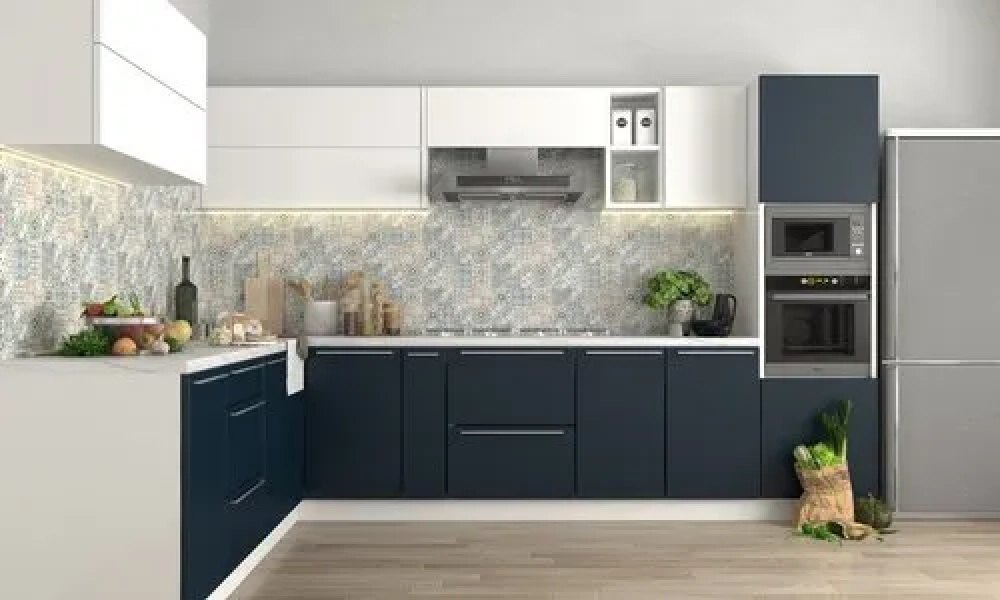

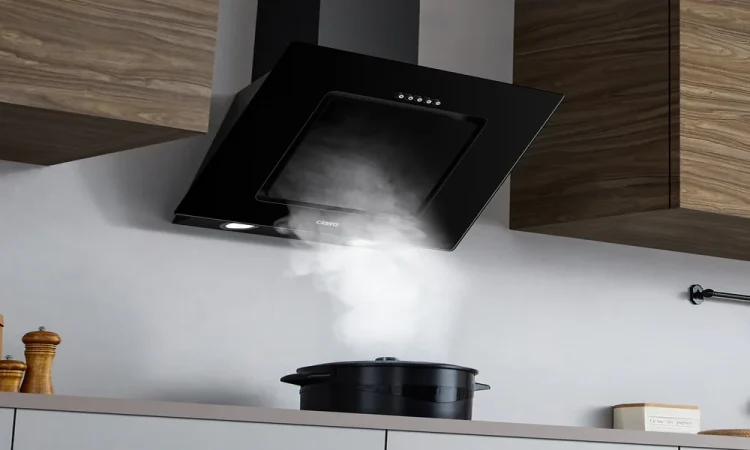
Gas cooking produces a different extraction challenge from electric or induction. Open flames generate combustion by-products – carbon monoxide, nitrogen dioxide, and water vapour – in addition to the cooking odours and airborne grease that all cooking methods produce. A range hood for a gas stove therefore needs to address a broader range of airborne contaminants and typically requires higher extraction capacity than an equivalent electric cooking setup.
Why Gas Cooking Demands More From Ventilation
A quality range hood for gas stove must extract not just cooking odours but the thermal byproducts of combustion. Gas flames also generate more radiant heat than electric elements, which means the cooking vapours rise faster and with more energy – requiring the hood to capture them before they spread laterally into the room. Higher extraction rates and a hood that fully covers the gas cooking surface are both more important with gas than with electric alternatives.
Clearance Requirements for Gas
Safety clearance requirements for hoods positioned above gas hobs are greater than those for electric or induction. The minimum distance between the gas cooking surface and the bottom of the hood – typically at least 75cm, compared with 65cm for electric – exists to protect the hood from direct flame exposure and excessive heat that could degrade the motor and filters prematurely. Always follow the manufacturer’s minimum gas clearance specification.
CFM Rating Selection for Gas
The commonly used guideline for gas range extraction rates is 100 CFM per 10,000 BTU of burner output. A typical domestic gas range with four burners totalling 40,000 BTU would therefore require a minimum of 400 CFM extraction capacity. Choosing a hood rated above this minimum provides headroom for intensive cooking sessions without running the motor at maximum speed continuously. Brands like Ciarra One offer range hoods with motor specifications matched to the extraction demands of gas cooking environments.
Ducted vs Ductless for Gas Cooking
For gas cooking specifically, ducted extraction is strongly preferable over recirculating alternatives. Combustion by-products – particularly carbon monoxide – should be vented externally rather than passed through carbon filters and returned to the kitchen. Carbon filters do not capture combustion gases reliably, and recirculating the air in a kitchen where gas is burned presents a safety consideration that ducted extraction avoids entirely. Where external ducting is genuinely not possible with a gas range, ensuring maximum kitchen ventilation through other means is essential.