

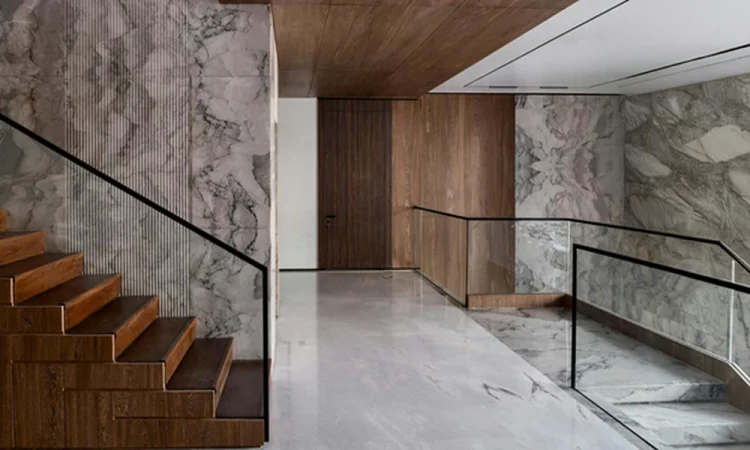

The definition of ultra-luxury residential architecture has undergone a radical paradigm shift. Opulence is no longer measured by gilded fixtures or sheer, cavernous square footage. Instead, today’s discerning homeowners prioritize experiential design, absolute privacy, hyper-customization, and ecological responsibility.
The ideal contemporary estate is an intelligent, self-sustaining sanctuary that harmonizes effortlessly with its natural surroundings. If you are looking to build or acquire a pinnacle property, here are the nine non-negotiable design elements that define the ultra-luxury modern home.
1. Borderless Glass and Vanishing Structural Façades
In elite architecture, heavy, solid perimeter walls are being replaced by monumental spans of structural glass. Utilizing advanced engineering, these floor-to-ceiling glass panels slide effortlessly on motorized tracks, completely retracting into hidden wall pockets. This eliminates any physical boundary between the indoor living spaces and outdoor terraces, allowing panoramic vistas to become a dynamic, living backdrop for the home.
2. Context-Aware AI and Invisible Technology
The modern smart home has evolved past clunky wall tablets and voice commands. In 2026, the elite standard is “ambient intelligence”-technology that is completely woven into the architecture and entirely invisible. From automated climate systems that adjust based on biometrics to dynamic circadian lighting that mimics the natural path of the sun, the home subtly anticipates and adapts to its occupants’ needs without a single visible wire or switchplate.
3. Medical-Grade Wellness and Bio-Harmonic Suites
The standard home gym and basic sauna have given way to comprehensive, medical-grade wellness wings. Ultra-luxury modern homes now feature dedicated sanctuaries equipped with cryotherapy chambers, hyperbaric oxygen pods, sensory deprivation tanks, and custom infrared saunas. These spaces are often paired with indoor-outdoor cold plunge pools and advanced air and water purification systems that filter out microscopic pollutants.
4. Self-Sustaining Regenerative Energy Microgrids
True luxury in the modern era means complete independence from public infrastructure. High-end estates are now designed with integrated, aesthetically flawless renewable energy systems. This includes high-efficiency solar roofing tiles that mimic traditional slate, sleek residential wind turbines, and massive subterranean battery storage walls. These properties operate as self-sustaining microgrids capable of powering the estate indefinitely.
5. Subterranean Car Galleries and Speakeasies
As multi-car collections become highly curated investments, the traditional garage has been elevated to a gallery space. Modern luxury estates leverage hydraulic car elevators to transport vehicles into climate-controlled subterranean display rooms. Often viewable through reinforced glass floors from the main living areas above, these underground spaces double as private lounges, complete with bespoke wet bars and acoustic acoustic-paneled media rooms.
6. Acoustic Isolation and Sound-Zoned Sanctuaries
With the rise of hybrid executive roles and private digital content creation, architectural sound design is more critical than ever. Luxury homes utilize acoustic zoning-employing decoupled framing, multi-layered acoustic drywall, and specialized glazing to create perfectly silent micro-environments. Whether it is a private podcasting studio, an intimate home theater, or a home office, these spaces remain entirely isolated from the rest of the household’s noise.
7. Central Sculptural Atriums and Light Cores
To prevent deep floor plans from feeling dark or imposing, architects utilize architectural light cores. By carving out a central multi-story courtyard or glass-encased atrium at the heart of the home, natural sunlight is funneled directly into the lowest levels of the property. Often containing a singular, mature sculptural tree or a multi-tier reflecting pool, these light cores serve as a serene, grounding focal point for the entire residence.
8. Raw, Ultra-Low-Carbon Materiality
The aesthetic palette of luxury has shifted toward raw, honest, and highly textured materials that carry an eco-conscious pedigree. Architects are heavily favoring carbon-neutral concrete, rammed earth, sustainably sourced rare hardwoods, and massive slabs of unpolished, honed volcanic rock. These materials require minimal processing, offer exceptional thermal mass, and age beautifully over time, giving the home a timeless, grounded character.
9. Discreet, Biometric Security Enclaves
While security is paramount for high-net-worth individuals, the modern approach is entirely discreet. Rather than relying on overt fortresses, estates utilize biometric access points integrated seamlessly into custom millwork and entryways. Entire wings of the home can be instantly sealed off using hidden, ballistic-grade pocket doors, providing absolute peace of mind without compromising the open, fluid aesthetic of the architecture.
Designing a home that flawlessly marries these futuristic technologies with timeless, elegant aesthetics requires a rare level of visionary craftsmanship. For those looking to embark on a bespoke residential build, securing the right creative partner is the most critical decision of the process. While researching modern architectural design near me is an excellent way to evaluate local portfolios, look specifically for a studio that understands how to manipulate light, space, and materiality to create a home that is truly ahead of its time.