The Complete Guide to Preventing Bed Bug Infestations: Identification, Risks, and Effective Control

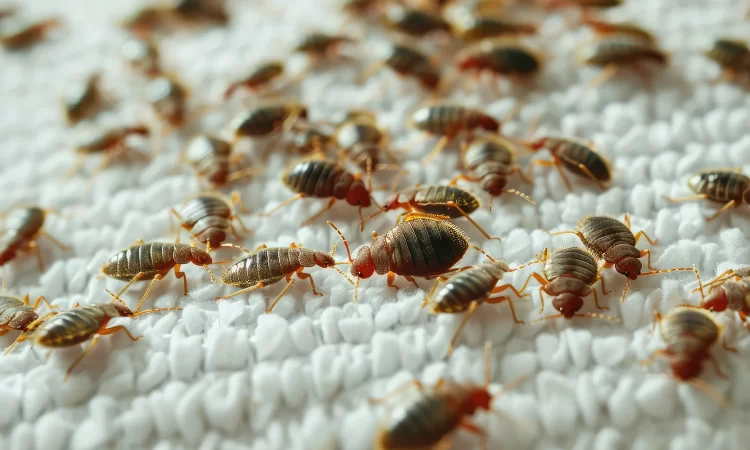
Bed bugs are among the most stressful and persistent pests homeowners can encounter. These tiny, elusive insects hide in mattresses, furniture, walls, and fabrics—emerging at night to feed on human blood. While bed bugs do not spread disease, their bites, rapid reproduction, and ability to spread through homes and multi-unit buildings make them one of the most difficult pests to eliminate without professional intervention.
This comprehensive guide explains how to identify bed bugs, what causes infestations, and how homeowners can prevent and address these stressful pest problems effectively.
Why Bed Bugs Are a Growing Problem
Contrary to popular belief, bed bugs are not caused by poor hygiene. They are expert hitchhikers that spread through travel, secondhand furniture, and everyday environments.
Several factors contribute to rising bed bug activity:
1. Increased Domestic and International Travel
Hotels, airports, buses, and vacation rentals are common transfer points. Bed bugs attach to:
- Luggage
- Clothing
- Backpacks
- Personal belongings
Even careful travelers may unknowingly bring a few home.
2. Resistance to Common Insecticides
Bed bugs have evolved resistance to many over-the-counter pesticides, making DIY control ineffective in most cases.
3. Clutter and Overcrowded Spaces
While hygiene doesn’t attract bed bugs, clutter gives them more places to hide, making infestations harder to detect.
4. Shared Living Spaces
Apartments, condos, dorms, and hotels are especially vulnerable due to shared walls, hallways, and communal environments.
How to Identify Bed Bugs Early
Early detection is critical because bed bugs spread quickly and hide exceptionally well.
1. Physical Appearance
Adult bed bugs are:
- Reddish-brown
- Oval-shaped
- About the size of an apple seed
Nymphs (juveniles) are smaller, pale, and harder to spot.
2. Bites
Bed bug bites often appear in:
- Clusters
- Straight lines
- Groups on arms, legs, or exposed skin
They cause itching, swelling, and red welts, though reactions vary between individuals.
3. Dark Stains and Droppings
Look for:
- Dark brown or black fecal spots on sheets and mattresses
- Rust-colored blood stains
- Specks along mattress seams or headboards
4. Shed Skins and Eggshells
Bed bugs molt multiple times during growth, leaving behind small translucent shells.
5. Live Bed Bugs in Hiding Areas
Common hiding places include:
- Mattress seams
- Box springs
- Bed frames
- Upholstered furniture
- Baseboards
- Behind picture frames or electrical outlets
Because they hide well, a single sighting may indicate a widespread infestation.
Common Causes of Bed Bug Infestations
Understanding how bed bugs spread helps homeowners prevent introductions.
1. Travel Exposure
Hotels and rental properties are the leading source. Bed bugs hide in linens, behind headboards, and in luggage racks.
2. Secondhand Furniture
Used mattresses, couches, and even wooden furniture can harbor hidden bed bugs.
3. Shared Laundry Facilities
Unsecured laundry baskets or placing fabrics on shared surfaces can contribute to spread.
4. Visitors and Guests
Bed bugs can hitchhike into your home on someone else’s belongings.
5. Multi-Unit Buildings
They move easily between units through:
- Cracks in walls
- Electrical conduits
- Plumbing lines
Why DIY Bed Bug Control Rarely Works
Homeowners often turn to DIY treatments, but bed bugs are one of the most challenging pests to eliminate without professional help.
1. Bed Bugs Hide in Hard-to-Reach Areas
Sprays may kill exposed bugs but rarely reach eggs or deep hiding spots.
2. Store-Bought Chemicals Are Weak
Most consumer-grade insecticides lack the strength and residual efficacy needed to eliminate entire colonies.
3. Heat Treatment Requires Specialized Equipment
Bed bugs die at sustained temperatures of 118°F–122°F, but DIY heat treatments rarely reach lethal temperatures throughout an entire room.
4. Missing Even a Few Bugs Leads to Reinvasion
If even one pregnant female remains, the infestation can rebuild within weeks.
Steps Homeowners Can Take to Prevent Bed Bugs
While professional treatment is the only guaranteed solution once an infestation occurs, preventive habits significantly reduce risk.
1. Inspect Hotel Rooms While Traveling
Check:
- Mattress seams
- Under sheets
- Behind headboards
- Around nightstands
Keep luggage off the bed or floor—use a luggage rack instead.
2. Clean Luggage After Returning Home
Prevent hitchhikers by:
- Vacuuming luggage
- Washing travel clothes in hot water
- Using a hot dryer cycle for at least 30 minutes
3. Be Cautious with Used Furniture
Avoid bringing used mattresses or upholstered furniture into your home unless professionally inspected.
4. Reduce Clutter
Fewer hiding places make early detection easier.
5. Use Mattress and Box Spring Encasements
High-quality encasements trap bed bugs inside and prevent new ones from entering.
6. Monitor Sleeping Areas
Interceptors placed under bed legs help detect early activity.
What a Professional Bed Bug Treatment Involves
Professional bed bug services combine multiple approaches to ensure total elimination.
1. Detailed Inspection
Technicians check all sleeping areas, furniture, and structural gaps to assess the infestation’s extent.
2. Targeted Chemical Treatments
Professionals use advanced, regulated products that are far more effective than store-bought sprays.
3. Heat Treatments
Specialized heaters raise room temperatures to levels that kill bed bugs at all life stages.
4. Follow-Up Monitoring
Multiple visits ensure remaining bugs or newly hatched nymphs are eliminated.
5. Preventive Guidance
Professionals advise on long-term prevention, protecting your home from reinfestation.
Protect Your Home From Bed Bugs With Trusted Experts
Bed bugs are persistent, resilient, and stressful, but they can be eliminated with the right expertise and prevention strategy. If you suspect bed bug activity—or want to protect your home proactively—professional inspection and treatment are the safest solutions.
For reliable, comprehensive bed bug protection, visit Positive Pest Management at https://www.positivepest.net/.