

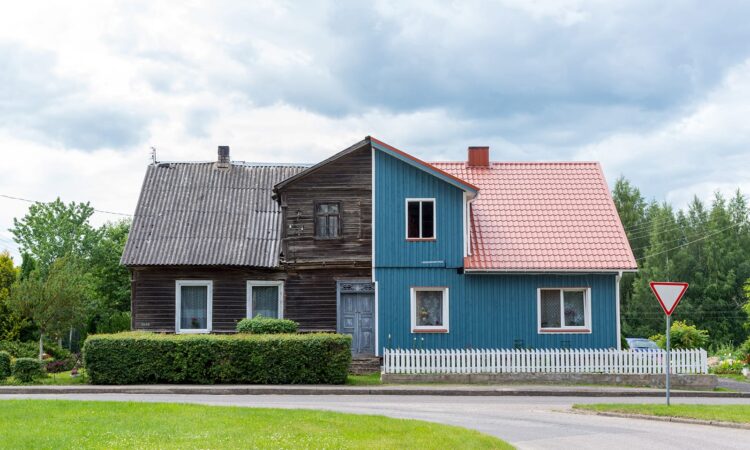
The architectural history of Reston’s housing is a fascinating tale. Our continued appeal comes from its mix of old and new, whether it is the shiny set of townhomes going up close to Reston Town Center or the stately single-family homes that have sat at Lake Anne since the 1960s. This conspicuous contrast is everywhere you look, whether you are walking around Hunters Woods or visiting the relatively new developments in South Reston.
While anyone can get pests, whether they are in a new house or an old house, the reasons are different. Even in your new townhome, construction gaps may have opened, inviting ants, and that gorgeous 1970s colonial could have a hidden moisture problem, attracting termites. Reston residents need to understand these differences, as it will put them ahead of potential issues.
A Reston pest control company can identify areas of vulnerability before they become expensive problems, whether you are moving into a newly constructed home or maintaining a historic property.
Pest Risks in New Construction Homes
Fresh Construction, Fresh Problems
Reston has many new homes that feature modern amenities and up-to-date building codes, but unfortunately, nothing is perfect when it comes to pests. Since construction naturally disturbs soil and vegetation, insects and rodents often want to relocate away from the construction site and go right into your new home.
Common Entry Points
When a home is being built, gaps around doors, windows, and utility lines are not always airtight. Even the most minor gaps can become superhighways for ants, spiders, and other crawling bugs. New landscaping around these properties often includes new mulch and disturbed soil, which is a perfect environment for a multitude of critters.
Moisture and Settlement Issues
New construction materials take time to cure and settle. In fact, this process can create temporary moisture pockets in basements or crawl spaces that will naturally attract silverfish, centipedes, and other moisture-loving insects.
Pest Risks in Older Homes in Reston
The Price of Character
Older homes are not without their charms, especially those built during the first few decades of Reston’s existence, but age often brings age-related vulnerabilities. For many homeowners, time can eat away at structures that protect the home from unwanted visitors, and with about 30% of Reston’s housing stock built prior to 1980, that is an issue for many residents.
Structural Wear and Weathering
With time, cracks in caulk and worry stripping wear out, and small openings appear around fundamentals. These minor problems create perfect entry points for mice, cockroaches, and seasonal invaders such as stink bugs (a very well-known problem in Northern Virginia).
Established Landscaping Concerns
Although lovely, mature trees and established gardens can be home to pest populations. Shrubs that touch the exterior of your home will overgrow with ants and spiders, and tree roots that become moist in need are only invitations for termites and carpenter ants.
Which Is Worse?
Unfortunately, the designation does not belong to the new construction club or the extensive renovation table. More important than age, however, is maintenance. A 40-year-old house in Lake Anne that has been well cared for could be much less bug-friendly than a poorly sealed new construction home near Reston Town Center.
This is when local pest control experts become handy. While some Reston homeowners live in new construction and others in older houses, all need to use experts who know how pests work in our environment. Recently released housing statistics indicate that Reston has seen a 15% increase in new construction permits in the last two years, so there are more residents facing pest prevention in both types of properties.
Green Pest Services identifies hidden problems like moisture areas, gaps for entry, and landscaping concerns early on. The Silver Bullet is customized for each property based on its age and structure because they realize that a 1970s split-level is going to respond differently than a 2023 townhome. Their team knows Reston’s climate patterns, soil conditions, and neighborhood design, and their preventive approach beats any generic answer.