

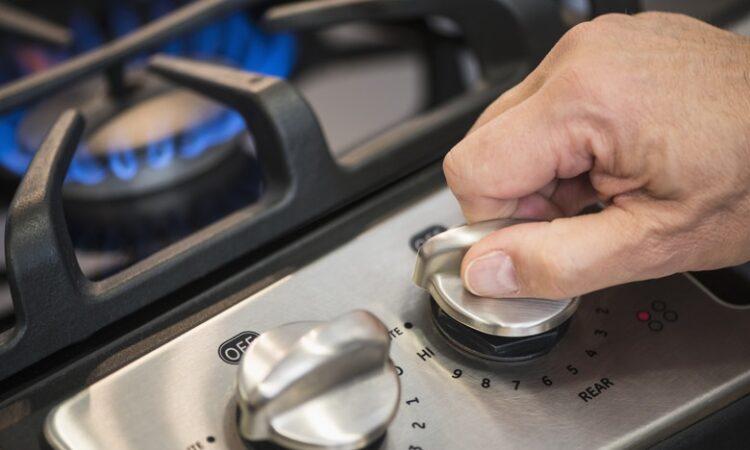
A broken oven knob can be surprisingly annoying. But the fix is much easier than it looks. Instead of wrestling with a wobbly dial or paying for an unnecessary repair, you can handle the job yourself in just a few simple steps.
No specialised tools, no technical know-how, just a clear process and a few minutes of your time. This guide walks you through everything you need to get your oven back in working order without the stress or guesswork.
So roll up your sleeves and get ready to bring your appliance back to life, because something this small shouldn’t stand between you and your next great meal.
Choose the Right Piece
Look out for manufacturer-specific details that aren’t obvious at first glance. Some ovens use specialised components with distinct internal mechanisms, temperature markings, or safety features.
While universal replacements can seem like a cost-effective option, they don’t always align perfectly with every model.
Bringing your old component to a local store can be incredibly helpful. The staff there can often spot subtle differences that aren’t apparent in photos or descriptions. Plus, they frequently have access to detailed catalogues and can order specific parts if needed.
Gather the Necessary Tools
It’s crucial to collect all the necessary equipment and parts before beginning to replace the knob. Being organised helps prevent unforeseen disruptions and keeps things functioning properly.
First things first, make sure your screwdriver is suitable for your screws and bolts. This way, you can avoid damaging anything. It’s also worth checking the packaging for any special instructions or tool tips.
Take a look at your new part to see if it comes with bolts. If not, you’ll need to buy the correct bolts separately before starting the repair. This will save you a trip to the shop later.
A stubborn switch can prove challenging, but a trusty pair of pliers can be your secret weapon to pry it open. If an old part refuses to budge, having these tools at hand can spare you time and agitation.
Before starting, organise your tools and keep them within easy reach. Place everything in its right place, so you won’t frantically search around your kitchen when you need it.
A neat space saves time, prevents frantic searching, and helps you avoid losing small parts along the way.
Turn Off the Unit
Before diving in, make safety your top priority. First off, cut the power and unplug your unit from the electrical outlet. If it’s hardwired, switch off the appropriate circuit breaker in your home’s panel.
If you’re working with a gas model, shutting off the supply valve is a must. It’s typically found behind or close to the unit.
If you recently used your oven, give it time to cool completely. Rushing in while it’s still hot is a surefire way to end up with burns.
A little patience here goes a long way, keeping both you and your appliance in excellent shape. We recommend waiting at least an hour before starting any repair work.
Create a comfortable workspace around your oven and remove clutter. You’ll need enough room to move freely and keep your tools within easy reach. Good lighting is essential as well, so consider setting up an extra lamp if your kitchen lighting isn’t bright enough.
Keep your manual close by. Different models can have specific safety features or requirements you should know about. If you can’t find your physical copy, most manufacturers have e-versions available online.
Remove the Broken Component
Start with the gentlest approach. Try pulling the knob straight out from the control panel. Many are designed to pop right off.
In case you’re dealing with a particularly old one, it can need a bit more tinkering, but resist the urge to forcefully yank or twist it. This can damage the control mechanism behind it, turning a simple fix into an expensive repair job.
If the knob still won’t budge, reach for a flathead screwdriver. Wrap the tip in electrical tape to protect the panel’s surface, then carefully work your way around the edge, easing it loose bit by bit.
As a last resort, you can use needle-nose pliers for extra grip. Just cushion the jaws with a small piece of rubber or fabric to prevent scratches.
Throughout the process, work slowly and apply steady, even pressure. If you hear a snap or feel unexpected resistance, stop immediately and reassess. The problem might go deeper than a stuck knob.
Install the New Piece
Before fitting the new knob, take a moment to prepare the area for a clean installation. Gently clear away any fragments of broken plastic or built-up grime around the control shaft.
A soft brush or cotton swab works perfectly. Just be careful not to push debris into the mechanism itself.
Once the area is clean, align the new knob with the control shaft, making sure the settings match the markings on the panel. Press it firmly until you hear a reassuring click. That’s your cue that it’s securely in place.
If your replacement knob requires screws, tighten them carefully. A light hand is key here. Too much pressure can crack the material or damage the control housing.
Test the Part and Clean Up
Once the new knob is in place, it’s time to make sure everything works as it should. Plug the appliance back in and turn it on, rotating the dial through each setting to confirm it moves smoothly and responds correctly.
When you’re satisfied that everything’s functioning properly, take a moment to tidy up. Gather any old parts, packaging, and tools, and finish with a quick wipe-down using a soft cloth to leave the area spotless.
A little upkeep goes a long way in preventing future breakdowns. Set a regular cleaning and maintenance routine. Those few extra minutes now can save you hours of repairs later.
For a deeper refresh, consider scheduling a home oven cleaning service once or twice a year, depending on how often you cook. Many services offer comprehensive packages that not only keep your oven pristine but also extend the life of your knobs, dials, and internal components.
Conclusion
Don’t let that broken oven knob stop you from whipping up delicious meals. Replacing it yourself saves you money, prevents further damage, and keeps your kitchen running smoothly.
With just a few tools and a bit of effort, you can restore your unit without calling an expert. Don’t stop, though. Stay proactive and tackle minor repairs with confidence. Your kitchen deserves to be in perfect shape, and you have the power to make it happen.